Project Pangolin – Conserv Earth and Vineyard Friends
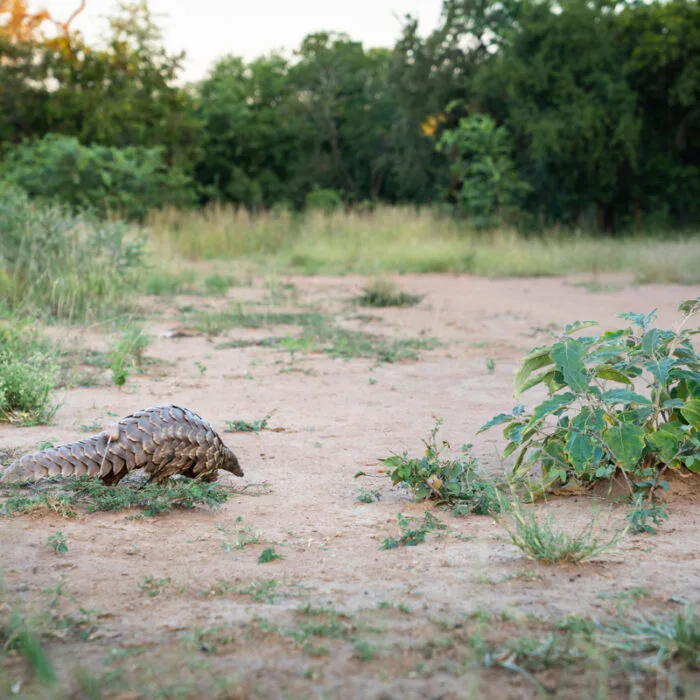
Pangolins have become the most illegally trafficked mammal on earth. These precious and ecologically crucial mammals are vital for our ecosystems. They keep ant and termite populations in check, and in doing so provide vital nutrient recycling back into the soil. This in turn provides a balance so that there is enough organic matter present for growth of new vegetation and to sustain all other wildlife in the food web. Having survived thousands of years of natural changes, they are now on the verge of extinction due to high levels of hunting and poaching for the illicit trade of their meat and scales. Their only weakness is their ingenious evolutionary strength of being hard and scaly. They cannot outrun poachers – they merely rely on rolling into a solid near impenetrable ball for protection. This is not so effective for a predator such as man.
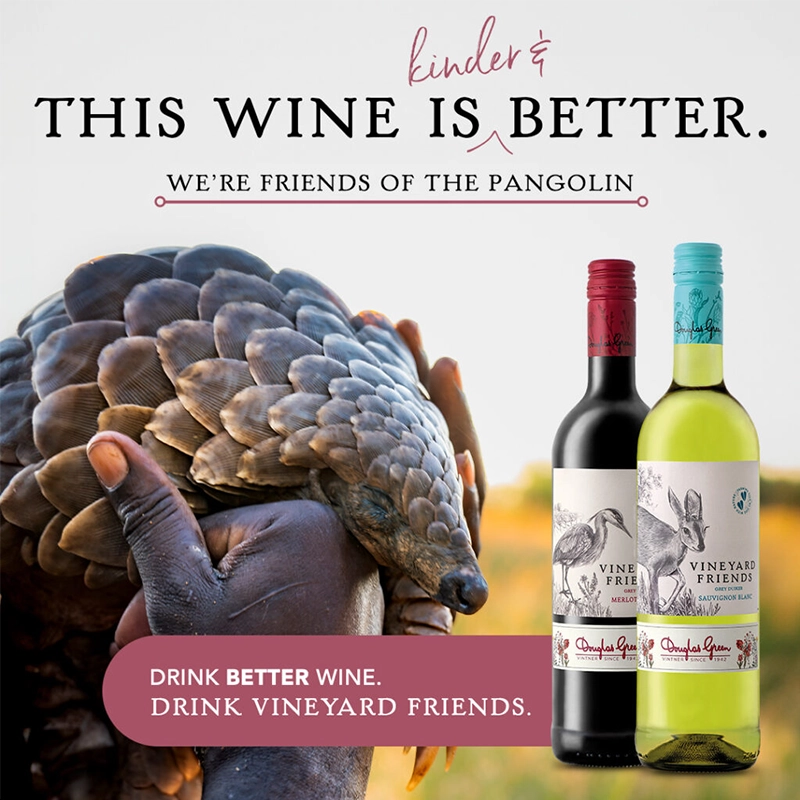
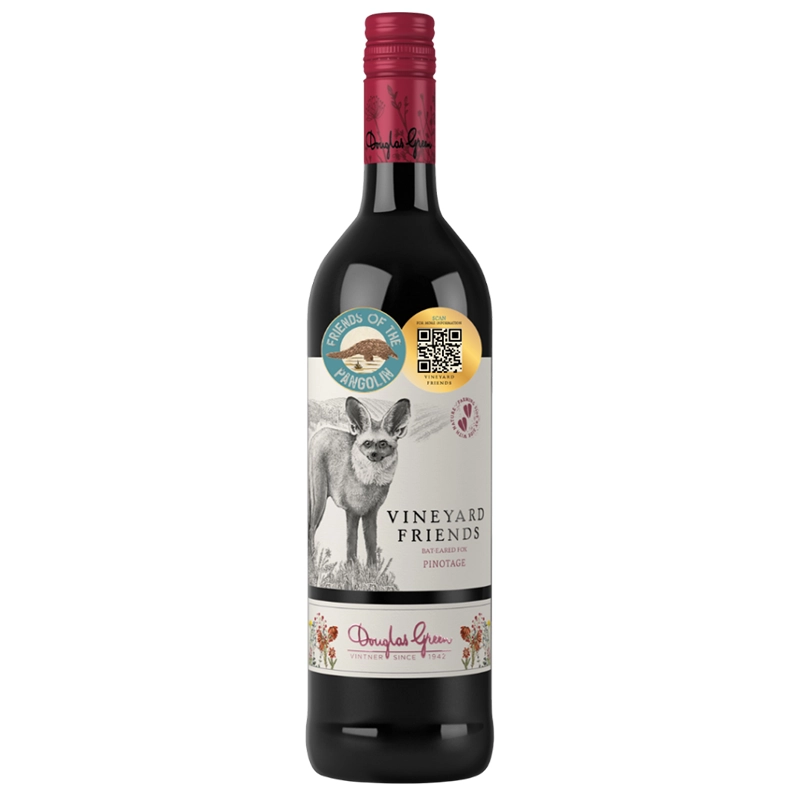
Vineyard Friends, a wine by Douglas Green, is a sustainable winery dedicated to crafting wines that are in harmony with nature. With a focus on ethical, regenerative, and sustainable farming practices, Vineyard Friends nurtures the land and its inhabitants to craft exceptional wines that give back to the environment.
Through this partnership, Vineyard Friends will support the project’s ongoing initiatives, and raise awareness about the critical conservation efforts needed to protect pangolins.
“We’re thrilled to be supported by Vineyard Friends, a brand that truly embodies sustainable winemaking,” say Brian van Aswegen and Chris Renshaw, directors of Conserv Earth and drivers of Project Pangolin. “Their commitment to nature’s well-being resonates deeply with our goal to protect these remarkable animals. Together, we hope to inspire wine lovers and nature enthusiasts alike to become advocates for pangolins and the environments they call home.”
Protecting a Friend in Need
Pangolins are more than just another species; they are nature’s friend, and Vineyard Friends believes in protecting every friend. This partnership is not only a reflection of Vineyard Friends’ values but also a testament to what is possible when businesses and conservationists come together.
Follow the link below to read more about the Vineyard Friends collaboration:
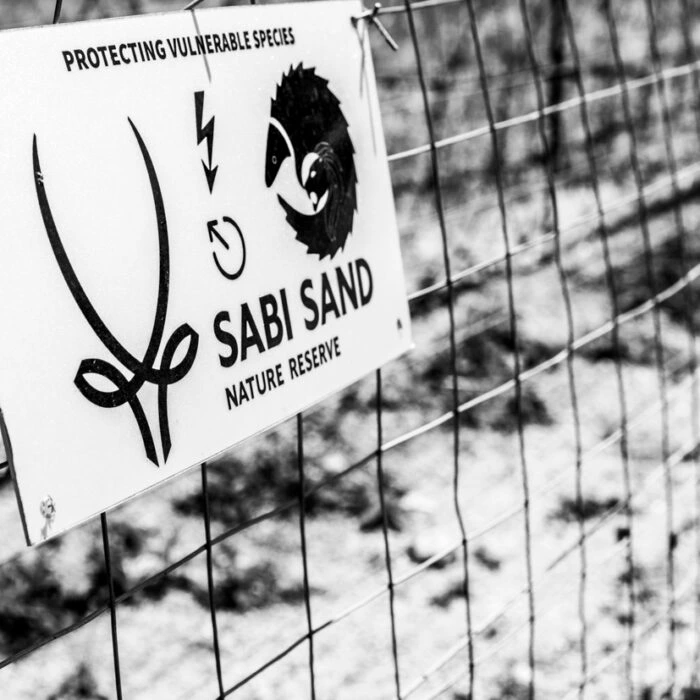
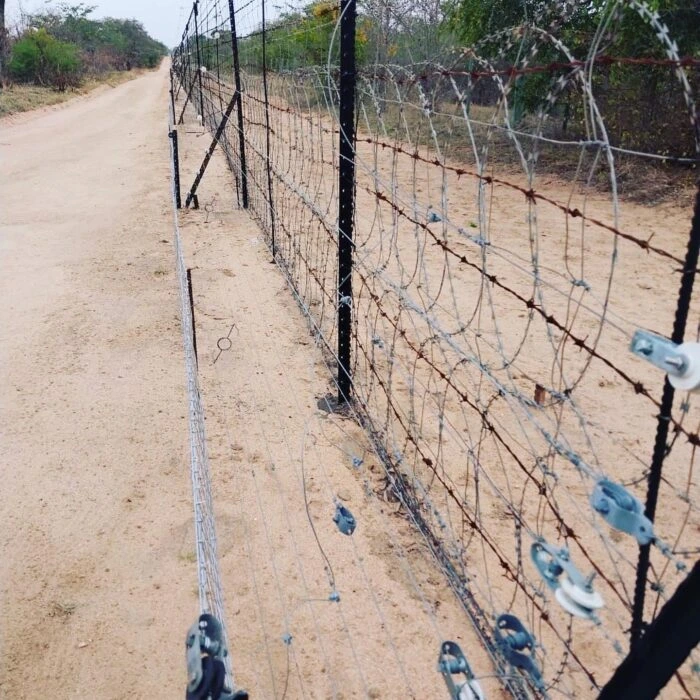
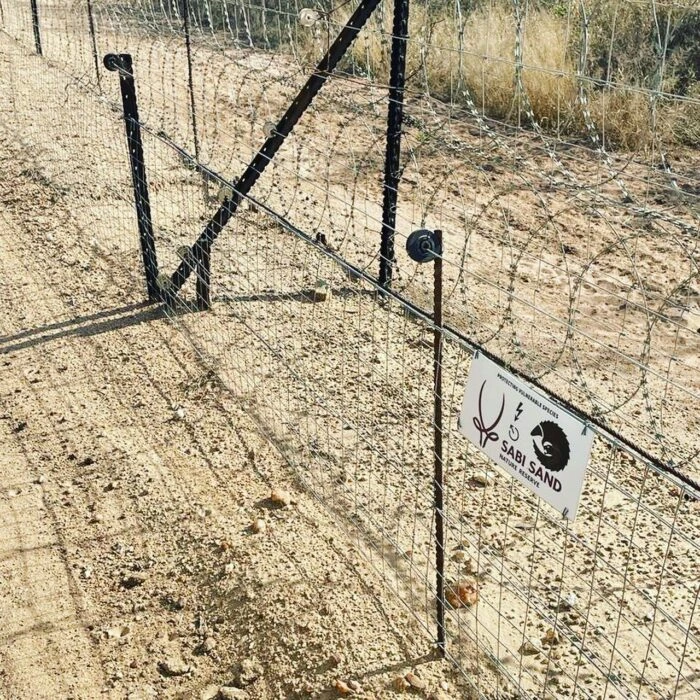
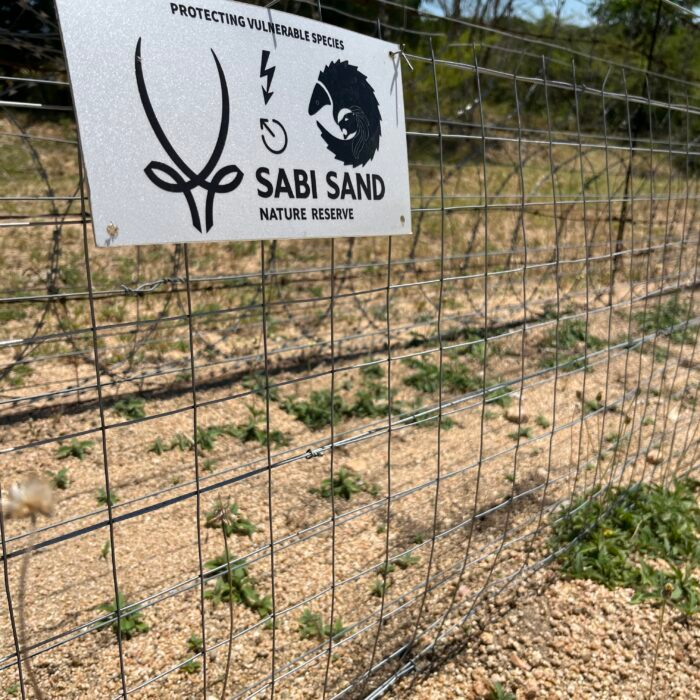
Phase 1 – Pangolin Projection fence around the Sabi Sand Nature Reserve (Completed)
With the pangolin protection fence around the Sabi Sand Nature Reserve completed, the next phase of the project will be based on research and rehabilitation and working with the pangolin conservation community to assist wherever we can. We have an exciting collaboration with Prof. Ray Jansen, Conserv Earth, SSNR, Tshwane University of Technology, Lapalala Game Reserve and the Kalahari Pangolin Centre, as well as Impact Wild and the South African Judiciary.
Phase 2 – Research and Legal Education
Project 1
In conjunction with Prof. Ray Jansen and the University of Tshwane, we are funding the study of electric fences around South Africa, using camera traps at specific sites across three different biomes. This is to ascertain all vertebrate interactions on these fences and to effect policy change on electric fence designs for wildlife reserves and farmland.
Project Title: Monitoring the interactions and mortalities of vertebrates along electrified fences in the Waterberg, SSNR and Kalahari.
To undertake this extensive study, real-time observations of the interactions of vertebrates (mammals, birds, reptiles and amphibians) will be recorded with trail cameras. Each test site will be a length of 3 km and within these sites 10 trail cams will be established 100 m apart. Lapalala Game Reserve will have four such sites (40 trail cams), Sabi Sands Nature Reserve will have one site (10 trail cams) and a Kalahari Reserve one site (10 trail cams). That is a total of six sites with 60 trail cams. Ten trail cams have already been purchased and an additional 50 are required for the project to be initiated (now purchased).
Goals
This study, planned over a 12-month period, will record all the interactions of vertebrates with electric fences. The six study sections of 3 km each will hold four different fence-line designs. The control design (as per provincial legislation) will make up one section on Lapalala and one section in the Kalahari. Extensive records will be captured on the trail cam and images downloaded to record the interaction with the live wires on these fences. Interactions will be corelated with fence design to capture a design that is “biodiversity friendly” with the lowest lethal capabilities for vertebrates yet fulfilling the fences primary goals of containing dangerous wild animals.
Objectives:
The primary objective will be to present an electric fence design, based on extensive trail cam records, to the Department of Forestry Fisheries and Environment. This design will hold the least lethal impact on non-target species that often succumb to current fencing regulations. Current provincial regulations are based on a design formulated in the 1960’s and holds extensive vertebrate mortalities since its implementation. No attempt since then has been made to offer a more nature friendly alternative. Trail cams are expected to be in situ by June 2025 and image analyses to be implemented shortly thereafter. The project is expected to continue for a minimum period of 12 months with a possible extension thereafter.
Cost: The additional 50 cameras are R311 835.13.
How you can help:
Conserv Earth is aiming to raise R2 million this year to contribute to the goals above. This can be achieved through the generous support of you, the donor, in the following ways:
-
- Purchase a bottle of the Vineyard Friends pangolin specific range. Safari Lodges can have this awesome wine available, or as a house and game drive wine. Look out for the sticker on the bottle…
-
- Pangolin Pledge: R1 000 to R100 000 to donate to Phase 2 of the project.
-
- Foster or adopt a Pangolin: R100 000.
For information on our payment options, please visit our website, www.conserv.earth/make-a-difference/ .
“The greatest threat to our planet is the belief that someone else will save it.”
– Robert Swan
Project 2
Conserv Earth, in partnership with ImpactWild, is funding the production of a short film to be used as an educational resource for legal professionals across South Africa. Developed through extensive research, the film aims to support ongoing efforts within the legal system by offering a clear and concise overview of key legal considerations in wildlife crime cases – particularly those involving pangolins. By serving as a practical tool, the film seeks to enhance existing knowledge and contribute to informed, effective decision-making in the prosecution and sentencing of wildlife-related offences.
Project Title: A Film Asset for Education with regards to pangolin and wildlife crime for legal teams around South Africa.
This relates to the development of an educational resource in the form of a 10-minute film that will provide key insights into three core legal mechanisms protecting the severely endangered pangolin in South Africa.
Overall Objectives and Purpose of the Film
-
- Summarise the most relevant legal frameworks protecting the South African pangolin from extinction.
-
- Share key legal approaches leading to the effective prosecution of cases involving pangolins.
-
- Provide a resource that can be used by key stakeholders to instigate future capacity-building activities for pangolin cases.
-
- Facilitate discussion and the development of best practice within the South African court system by providing relevant stakeholders with key information related to the legal protection of pangolins.
-
- Provide a tool for educational activities in making informed decisions in court based on a thorough understanding of the frameworks at their disposal and historical precedents related to past pangolin-related cases.
This film has the potential have a real and long-term impact across South Africa in terms of the sentencing imposed of wildlife crimes relating to pangolins. We are thrilled to be a part of this, and we believe in the importance of working in the right spheres of influence to make a tangible impact.
Cost: R140 000 for the film research, production and distribution.